Posted on 2026-10-07
Find a Reliable SASO Certification Company, What You Need to Know
When buyers search for a SASO certification company, they usually mean a conformity assessment body (CAB) that SASO recognises to review a product, check its test reports and support a Certificate of Conformity (CoC) on the SABER platform. NLS Industries is not a certification body and does not issue these certificates. This guide explains how the route works, how to pick a partner, and where a supplier fits into the process.
What a SASO certification company does
SASO, the Saudi Standards, Metrology and Quality Organization, sets the technical regulations that cover regulated products sold in the Kingdom. It does not review every file itself. Recognised conformity assessment bodies do that work: they check the manufacturer's technical documents and test reports against the applicable regulation, and they support the CoC that customs looks for when goods arrive.
Two certificates come up most often. A Product Certificate of Conformity (PCoC) covers a product model that has been assessed. A Shipment Certificate of Conformity (SCoC) is tied to an individual consignment and is the document that lets that consignment clear customs. Both are handled electronically through SABER, the government platform for conformity assessment.
Steps to obtain a SASO certificate
- Identify the applicable regulation. Each regulated product group has its own technical regulation or standard. Electrical equipment, building materials, toys and vehicle parts are all handled differently, so confirm the current requirement for your exact product before you test anything.
- Test the product. The sample is tested in a laboratory that the certification route accepts, against the limits in the regulation. Electrical, mechanical and fire performance tests are chosen according to the product type.
- Prepare the documents. Expect to provide test reports, a technical file, product datasheets, user instructions and labelling details. Missing or inconsistent documents are the most common cause of delay.
- Apply on SABER. The application is made through the SABER platform, which needs a registered account for the importer or manufacturer.
- Work with a recognised CAB. The body reviews your documents and test reports and confirms that the requirements are met.
- Receive the certificate. Once the body approves, the certificate is issued electronically on SABER, and the shipment can be cleared at customs against the SCoC.
Because timing depends on the product, the laboratory queue and how complete your documents are, treat any promised number of days as an estimate and ask the body for its expected timeline in writing.
Choosing the right partner in Saudi Arabia
Pick a certification partner that is recognised for the product group you are importing, not one that lists every category. Ask which products similar to yours it has handled and which laboratories it works with. Check whether it supports renewals and gives you a clear list of documents up front, because that list tells you how organised the process will be. A partner that communicates in Arabic and understands how customs reads a certificate saves you a round of corrections.
Also check the validity period printed on any certificate you receive. Certificates are not permanent, and a lapsed one can hold up the next shipment, so keep the number and the expiry date in your import file and renew before the date arrives.
How NLS Industries fits in
NLS Industries is a supplier of industrial products, not a certification body. When you request a quotation for items that fall under SASO requirements, ask for the manufacturer's datasheets and test reports at the same time, because those are the first documents a certification body will ask you for. Product groups where this comes up often include Cables & Wiring, Valves & Flow Control, Electric Motors & Drives and Safety Equipment & PPE.
Choosing a supplier whose products are built to the relevant standards from the start reduces the chance of a failed test or a rejected shipment. It does not replace the certificate itself, which still has to be issued through the proper route for your product.
Practical tips for a smoother certification
- Keep the technical file organised from the first day. Missing drawings and mismatched model numbers are common reasons for a file to be sent back.
- Check the current version of the regulation before testing, since requirements are revised from time to time.
- Keep the model numbers, descriptions and labels identical across the test report, the datasheet and the invoice. Customs and the certification body compare them.
- Plan a time buffer before a large shipment, so a request for an extra document does not hold up the cargo.
- Record the certificate number and expiry date in your import file.
FAQ
Is a SASO certification company the same as SASO?
No. SASO sets the regulations and runs the SABER platform. A certification company, formally a conformity assessment body, reviews your documents and test reports on behalf of that system and supports the certificate you need for customs.
Does NLS Industries issue SASO certificates?
No. NLS Industries supplies industrial products and can share the manufacturer's datasheets and test reports that a certification body asks for. The certificate itself is issued through SABER by a recognised body.
How long does the certification process take?
It depends on the product, the testing needed and how complete your documents are. Simple files with ready test reports move faster than products that need new testing. Ask the certification body for its timeline for your product before you plan a shipment around it.
Do all products need a SASO certificate?
No. Only products on the regulated list need a certificate of conformity. The list includes many electrical and electronic items, building materials, vehicle parts and toys, among others. Check the regulation for your specific product before you assume either way.
Related products
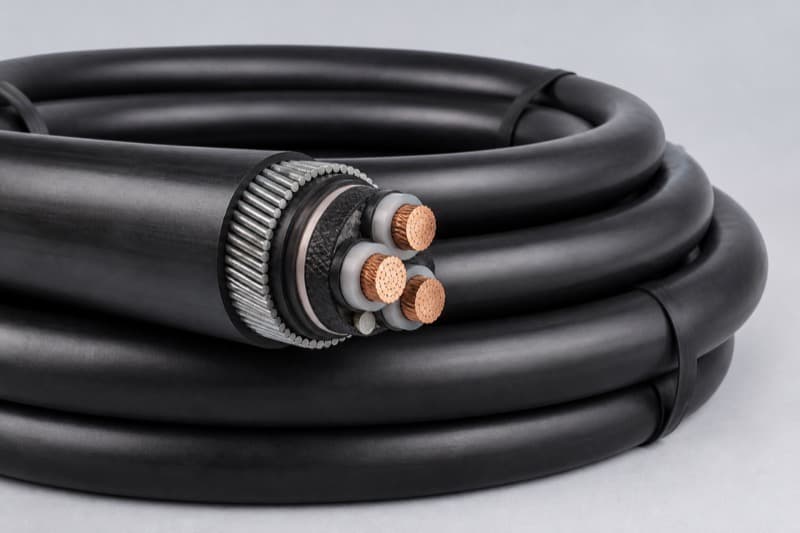
XLPE Armored Cables
XLPE armored cables use cross-linked polyethylene insulation under a steel wire or tape armor layer, built to run underground or in exposed industrial routes. NLS sources single-core and multi-core XLPE armored cable from 0.6/1kV up to 33kV, built to IEC 60502 and BS 5467, and has supplied cable packages into a live Saudi Aramco NGL project.
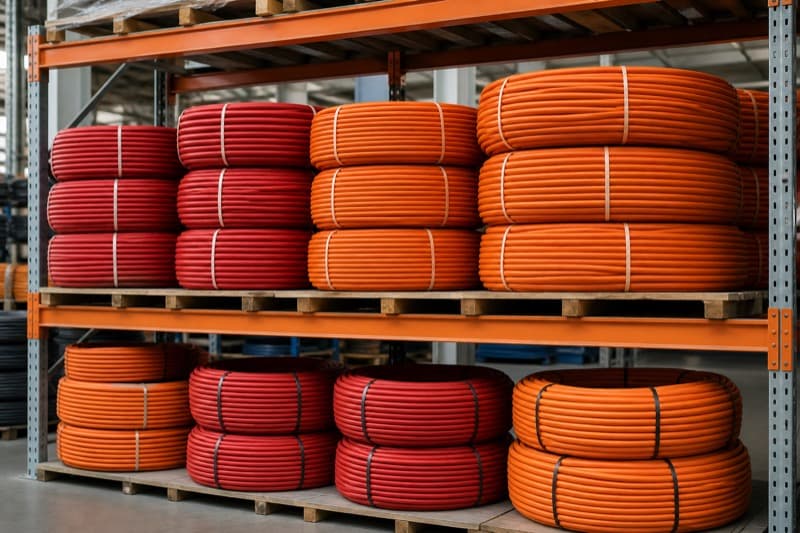
Fire-Rated Cables
Fire-rated cable keeps circuits alive during a fire, either through fire-resistant (FR) construction that maintains circuit integrity for a set time, or fire-retardant low smoke zero halogen (LSZH) construction that limits flame spread and toxic smoke. NLS sources both classes for life-safety circuits: emergency lighting, fire alarm, smoke extraction fans, and sprinkler pump feeds on hospital and aviation projects.
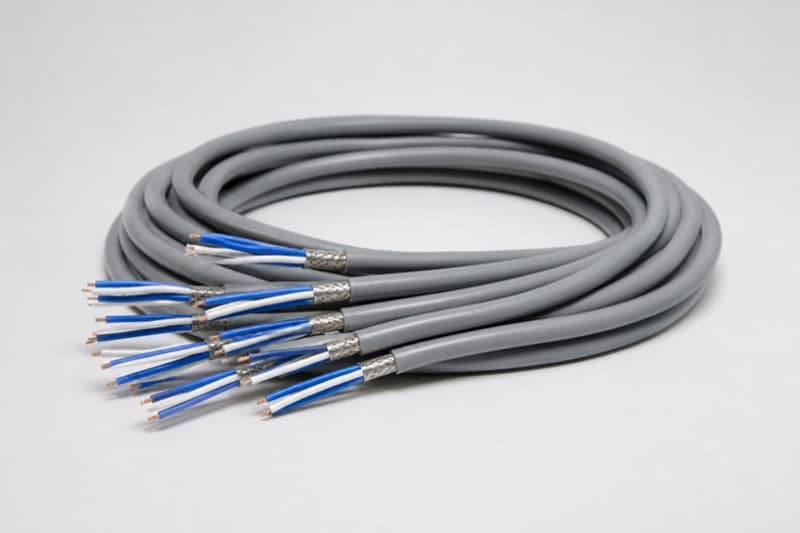
Instrumentation Cables
Instrumentation cable carries low-level signals between field instruments and control rooms without picking up electrical noise, using individually and overall screened pairs or triads. NLS sources 0.5mm² to 1.5mm² instrumentation cable in twisted pair, triad, and multi-pair constructions to BS 5308, for DCS, PLC, and SCADA wiring on process and utility projects.
Control Cables
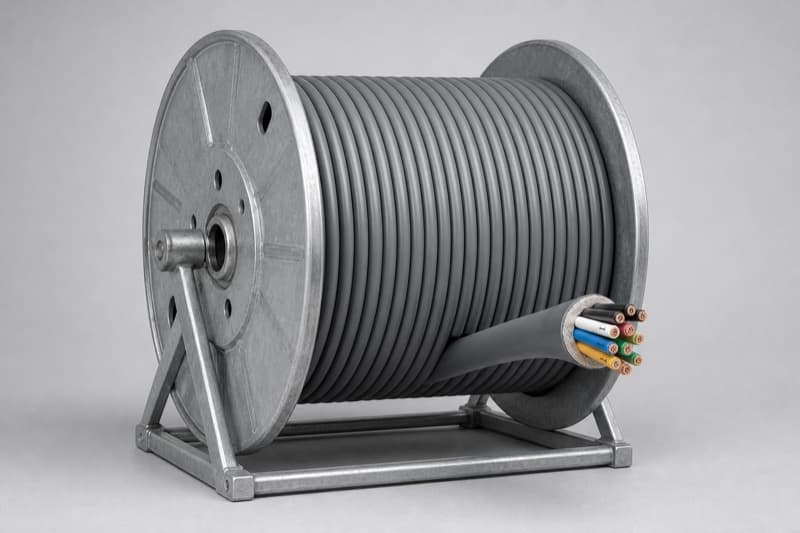
Control cable carries switching and actuation signals between panels, motor starters, and field equipment, typically multi-core with numbered cores for fast panel wiring. NLS sources 1.5mm² to 4mm² multi-core control cable, 2 to 61 cores, copper conductor, PVC or XLPE insulated, to BS 6346, for MCC, switchgear, and field junction box wiring on Saudi industrial and infrastructure projects.