Plasma Cutting Equipment
Plasma cutting equipment uses an electrically ionized gas jet to cut electrically conductive metal, faster and with a narrower kerf than gas cutting on materials up to roughly 40mm thick. NLS sources manual and mechanized (CNC-ready) plasma cutting systems, torches, and consumables, to IEC 60974-1 and IEC 60974-7, for structural steel, plate, and pipe cutting on Saudi projects.
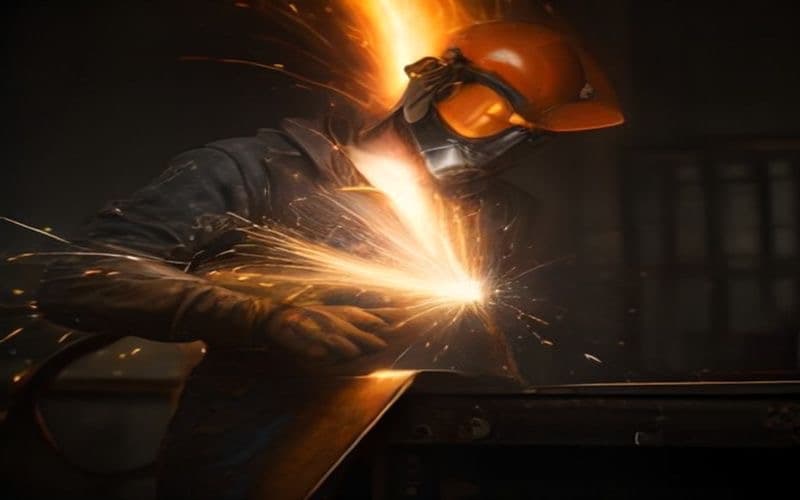
Plasma cutting works by forcing a gas, compressed air in most industrial units, through a constricted nozzle while an electric arc passes through it, which ionizes the gas into plasma at a temperature high enough to melt through metal almost instantly. The high-velocity jet then blows the molten metal out of the cut. Because the process cuts by melting and blowing rather than by burning, the way oxy-fuel cutting works, it cuts any electrically conductive metal, including stainless steel and aluminum, that a gas torch can't touch, and it does it faster with a narrower kerf and smaller heat-affected zone.
NLS sources both manual plasma cutters, handheld torches for site cutting and shop fabrication where an operator guides the cut by hand, and mechanized systems built for CNC table integration, where a computer-controlled torch head follows a programmed cut path for repeatable, precise parts production. Consumables, electrodes, nozzles, and swirl rings, wear out with use and get sourced alongside the equipment, since nozzle diameter and electrode condition directly affect cut quality and edge squareness. Equipment is sourced to IEC 60974-1 for the power source and general safety construction, and IEC 60974-7, which covers torch systems specifically, connector safety, and current rating.
On Saudi fabrication and steel work, plasma cutting handles structural plate and profile cutting, pipe beveling and preparation ahead of welding, and general steel fabrication where speed and cut quality matter more than the tightest possible tolerance; that level of precision usually goes to laser or waterjet instead. Mechanized CNC plasma systems see use in higher-volume steel fabrication shops producing repeat parts, while handheld units cover site cutting and lower-volume shop work.
NLS quotes plasma cutting equipment against amperage rating, material thickness range, manual or mechanized configuration, and gas supply (compressed air or specialty gas for higher-precision cuts), and returns a priced quote in USD. Standard handheld units in common amperage ranges typically source faster than CNC-integrated mechanized systems, which more often carry a manufacturer-confirmed lead time given the added control and table integration work.
Specifications
- ✓Cutting method: constricted arc ionizes gas into plasma, cuts by melting and blowing molten metal from the kerf
- ✓Configurations: manual (handheld torch) and mechanized (CNC table-integrated) systems
- ✓Material coverage: cuts any electrically conductive metal, including stainless steel and aluminum, up to approximately 40mm
- ✓Consumables: electrodes, nozzles, and swirl rings sourced alongside equipment, wear parts affecting cut quality
- ✓Standards: IEC 60974-1 (power source safety), IEC 60974-7 (torch system safety and rating)
- ✓Gas supply: compressed air standard, specialty gases (oxygen, nitrogen) for higher-precision cutting
Frequently Asked Questions
What's the difference between plasma cutting and oxy-fuel gas cutting?+
Plasma cutting melts metal with an ionized gas jet and blows it out of the cut, working on any electrically conductive metal including stainless steel and aluminum. Oxy-fuel cutting burns the metal chemically in an oxygen stream, which only works on carbon steel. Plasma also cuts faster with a narrower kerf, while oxy-fuel remains more economical on thicker carbon steel plate.
Can plasma cutting equipment cut stainless steel and aluminum?+
Yes, that's one of plasma cutting's main advantages over oxy-fuel. Since the process cuts by melting rather than by chemical oxidation, it works on any electrically conductive metal, stainless steel, aluminum, and other non-ferrous alloys included, which oxy-fuel gas cutting can't touch.
Does NLS supply CNC-integrated plasma cutting systems?+
Yes. NLS sources mechanized plasma systems built for CNC table integration alongside handheld manual units, and quotes each against the amperage rating, material thickness range, and whether the equipment needs to interface with existing CNC control on site.
Who supplies Plasma Cutting Equipment in Saudi Arabia?+
NLS Industries (Northlane Solutions Company) supplies Plasma Cutting Equipment across Saudi Arabia, including Riyadh, Jeddah, Dammam and Jubail. Send your specification and quantities to info@northlanesolution.com for a quotation.