Welding Machines
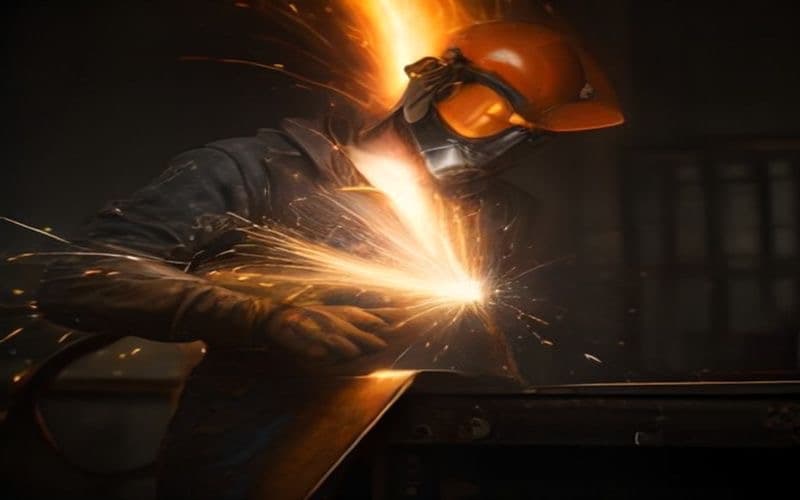
Welding machines supply the controlled electrical current that MMA/stick, MIG/MAG, and TIG welding processes need to strike and hold an arc, sized by output amperage and duty cycle to match the joint thickness and process. NLS sources single and three-phase inverter welding machines from 140A to 500A, MMA, MIG/MAG, and TIG capable, for fabrication and site welding on Saudi structural steel and piping projects.
A welding machine's job is simple to state and easy to get wrong in practice: deliver a stable, controllable current at the right voltage for the process and joint being welded. MMA (stick) welding needs a machine that holds arc stability as the electrode burns down and arc length changes. MIG/MAG needs synchronized wire feed speed and voltage. TIG needs the cleanest, most stable low-current output of the three, since weld quality on thin material or critical piping welds depends on it directly.
NLS sources modern inverter-based machines rather than older transformer sets, because inverter technology gives a lighter machine, better arc control, and multi-process capability (MMA/MIG/TIG on one unit in many cases) at a given output range. Output runs from 140A machines suited to light fabrication and site repair up to 500A three-phase machines for heavy structural welding and thicker pipe joints. Duty cycle, the percentage of a 10-minute period a machine can weld at its rated output before it needs to cool, matters as much as peak amperage: a machine rated 300A at 35% duty cycle isn't the same tool as one rated 300A at 60%, even though the amperage figure looks identical on a spec sheet.
On Saudi projects, welding machines cover structural steel fabrication and erection, pipe welding on process and utility lines, and site maintenance welding on plant and infrastructure work. Selection depends on the process required by the welding procedure specification (WPS), the joint thickness, and whether the work is shop fabrication (higher duty cycle, single machine running continuously) or site erection (portability and multi-process flexibility matter more).
NLS quotes welding machines against the process (MMA/MIG/TIG), required output amperage and duty cycle, and power supply (single or three-phase), and returns a priced quote in USD. Common inverter models in the 140A-300A range typically source faster than heavy three-phase machines above 400A, which often run on a longer manufacturer lead time.
Specifications
- ✓Processes: MMA (stick), MIG/MAG, TIG, multi-process inverter units available
- ✓Output range: 140A to 500A
- ✓Power supply: single-phase (smaller units) and three-phase (larger/heavy-duty units)
- ✓Duty cycle: rated per machine at a given amperage, key selection factor alongside peak output
- ✓Typical use: structural steel fabrication, pipe welding, site maintenance welding
- ✓Technology: inverter-based for lighter weight and improved arc control over transformer sets
Frequently Asked Questions
What's the difference between MMA, MIG, and TIG welding machines?+
MMA (stick) machines suit general fabrication and site repair with a simple, rugged setup. MIG/MAG machines add synchronized wire feed for faster, higher-productivity welding on thicker structural steel. TIG machines give the cleanest, most controlled low-current arc, used where weld quality on thin material or critical piping matters most.
Why does duty cycle matter as much as amperage when choosing a welding machine?+
Duty cycle is the percentage of a 10-minute period a machine can weld continuously at its rated output before it needs to cool down. Two machines rated at the same peak amperage can have very different duty cycles, so a machine that looks adequate on amperage alone can still overheat under continuous shop production welding.
What amperage range does NLS supply for welding machines?+
NLS sources inverter welding machines from 140A units for light fabrication and site repair up to 500A three-phase machines for heavy structural and pipe welding, matched to the joint thickness and process the WPS specifies.
Does NLS supply single-phase or three-phase welding machines?+
Both. Smaller inverter units typically run on single-phase power for site portability, while larger, higher-output machines for heavy structural welding require a three-phase supply, matched to what power is available at the work location.
Who supplies Welding Machines in Saudi Arabia?+
NLS Industries (Northlane Solutions Company) supplies Welding Machines across Saudi Arabia, including Riyadh, Jeddah, Dammam and Jubail. Send your specification and quantities to info@northlanesolution.com for a quotation.