Safety Shoes & Boots
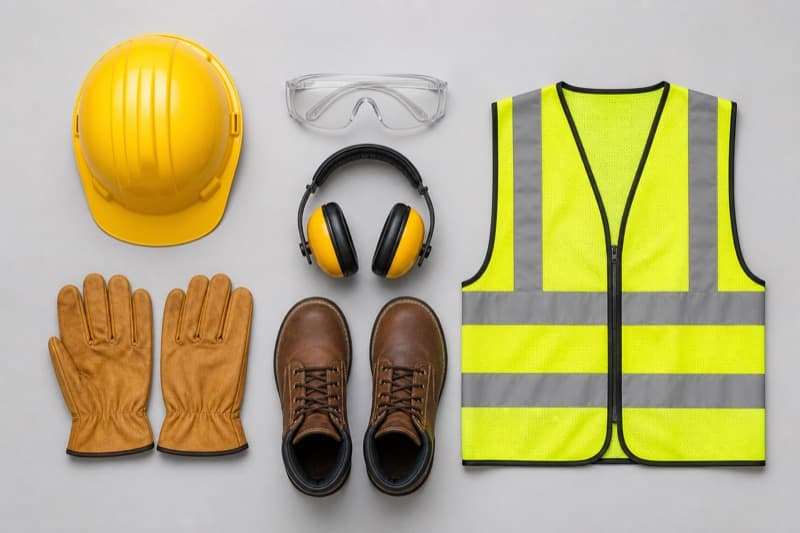
Safety shoes and boots protect the foot through two engineered components: a toe cap that absorbs impact and compression, and a sole built for the specific hazard underfoot. NLS sources steel-toe and composite-toe (fiberglass, kevlar) safety shoes to EN ISO 20345, with oil-resistant, chemical-resistant, and anti-static sole compounds matched to a site's actual floor hazard.
Toe caps on a safety shoe are classified by material and performance, not looks. A steel toe cap has to survive a defined impact load and compression test under EN ISO 20345 (200 joules impact, 15 kN compression), and it's the traditional option: heavier, and it conducts heat, cold, and electricity. A composite toe cap, molded from fiberglass or a kevlar blend, meets the same protection level at lower weight and without conducting electricity or temperature, which makes it the better choice near live electrical work or through a metal-detector gate.
Sole compound changes with the hazard it's built for. Polyurethane soles are light, flexible, and hold up well against chemical exposure. Nitrile rubber soles resist heat at higher contact temperatures and shrug off oil and grease. Dual-density soles combine a softer inner layer with a harder, wear-resistant outer layer. Soles carry an SRC slip-resistance marking under the EN ISO 20345 test protocol (ceramic tile with glycerin, steel plate with detergent), plus optional markings like HRO for heat resistance and HI for heat insulation, and these classifications generally line up with what the Saudi Standards, Metrology and Quality Organization expects in the local market too.
On Saudi projects, ramp and taxiway crews at aviation sites need heat-resistant soles given how hot asphalt gets in summer, mechanical workshops need oil- and grease-resistant compounds, and hospital facility engineering rooms need soles rated against specific chemical exposure. General construction labor typically runs on a steel toe cap and a standard slip-resistant sole.
NLS quotes safety shoes against toe cap material, sole compound and marking requirements (SRC, HRO, HI), size run, and quantity, and returns a priced quote in USD. Common sizes in a steel toe cap with a standard polyurethane sole typically source faster than specialty chemical-resistant soles or composite toe caps, depending on the manufacturer.
Specifications
- ✓Toe cap materials: steel (traditional, 200J impact / 15kN compression per EN ISO 20345) or composite (fiberglass/kevlar, non-metallic, lighter)
- ✓Sole compounds: lightweight flexible polyurethane, or heat- and oil-resistant nitrile rubber, or dual-density combination soles
- ✓Slip resistance marking: SRC rating under EN ISO 20345 (tested on ceramic tile with glycerin and steel plate with detergent)
- ✓Additional sole markings available: HRO (heat-resistant outsole), HI (heat insulation), CI (cold insulation)
- ✓Electrical property options: antistatic (standard), or fully conductive soles for static-sensitive environments
- ✓Standards referenced: EN ISO 20345, with general alignment to SASO requirements for the GCC market
- ✓Typical use: aviation ramp/taxiway crews, mechanical workshops, hospital facility engineering rooms
Frequently Asked Questions
What's the difference between a steel toe cap and a composite toe cap?+
Steel is the traditional option, heavier, and conducts heat, cold, and electricity. Composite toe caps (fiberglass or kevlar) are lighter and non-conductive, preferred near live electrical work or metal-detector gates, at the same impact and compression protection level.
What does the SRC marking on a safety shoe sole mean?+
SRC means the sole passed both slip-resistance tests under EN ISO 20345, on ceramic tile with glycerin and on a steel plate with detergent, the broadest slip-resistance coverage within the classification.
Which sole compound suits hot asphalt or tarmac work?+
Nitrile rubber soles with an HRO heat-resistance marking suit high asphalt temperatures, holding up under sustained hot-surface contact without softening or wearing through quickly.
Who supplies Safety Shoes & Boots in Saudi Arabia?+
NLS Industries (Northlane Solutions Company) supplies Safety Shoes & Boots across Saudi Arabia, including Riyadh, Jeddah, Dammam and Jubail. Send your specification and quantities to info@northlanesolution.com for a quotation.