High-Visibility Clothing
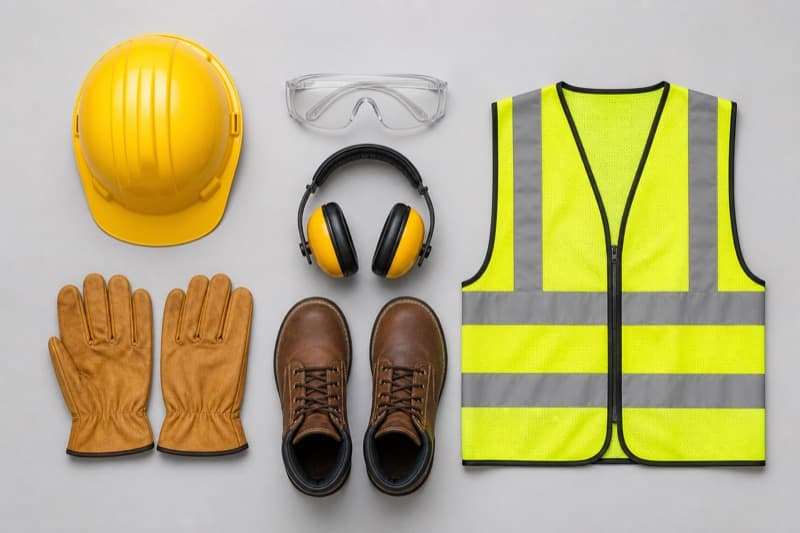
High-visibility clothing keeps a worker visible to vehicle and equipment operators through fluorescent background material and reflective tape, rated by class against the amount of visible-area coverage. NLS sources hi-vis vests, jackets, and coveralls to EN ISO 20471 (Class 1 to Class 3), for road, airside, and general construction crews working near moving vehicles or equipment on Saudi project sites.
What makes a garment "hi-vis" under the standard isn't just an orange or yellow color, it's a certified minimum area of fluorescent background material (visible in daylight) combined with a minimum area of retroreflective tape (visible in headlights or low light), tested to a specific standard. A fluorescent orange vest bought without a class rating and area certification isn't automatically compliant with a site's PPE matrix, even if it looks similar to a rated one.
EN ISO 20471 sets three classes by combined visible area. Class 1 is the lowest, a basic vest for low-risk, low-speed environments. Class 2 is mid-level, common on general construction sites. Class 3 offers the highest coverage, required where workers are close to fast-moving traffic or heavy plant, and it's typically a full-sleeve jacket or coverall rather than a vest alone, since a vest can't carry enough certified area to reach Class 3 by itself. NLS sources vests, jackets, and coveralls across all three classes, in both short-sleeve/vest formats and full-body configurations.
On Saudi projects, airside ground crew and ramp work typically require Class 3 given aircraft ground vehicle traffic, road and utility work adjacent to live traffic usually needs the same class, and general construction site crews working near cranes, forklifts, and delivery vehicles typically run on Class 2. Airside and hospital facility crews benefit from a distinct color option to separate roles visually across a large site.
NLS quotes hi-vis clothing against the class required (1, 2, or 3), garment format (vest, jacket, coverall), fabric weight for climate (lightweight mesh for Saudi summer heat versus heavier fabric where flame resistance is also needed), and quantity, and returns a priced quote in USD. Standard hi-vis vests in common sizes typically source faster than Class 3 jackets or FR-rated hi-vis coveralls made to order.
Specifications
- ✓Standard referenced: EN ISO 20471 (high-visibility clothing, Class 1 to Class 3)
- ✓Class 1: lowest certified area, basic vest for low-risk/low-speed environments
- ✓Class 2: mid-level coverage, standard on most general construction sites
- ✓Class 3: highest coverage, full-sleeve jacket or coverall required for proximity to fast-moving traffic or heavy plant
- ✓Construction: fluorescent background fabric plus retroreflective tape in a certified minimum combined area
- ✓Formats: vest, long-sleeve jacket, coverall; lightweight mesh fabric available for hot climate wear
- ✓Typical use: airside ground crews, road/utility work near traffic, general construction near cranes and plant
Frequently Asked Questions
What's the difference between Class 1, Class 2, and Class 3 hi-vis clothing?+
The difference is the combined area of fluorescent fabric and reflective tape: Class 1 is lowest and suits low-risk environments, Class 2 is mid-level and common in general construction, Class 3 offers the highest coverage and is required near fast-moving traffic or heavy plant.
Why can't a vest alone meet a Class 3 hi-vis requirement?+
A vest doesn't carry enough surface area to cover the certified minimum area required for Class 3, so that class needs a full-sleeve jacket or coverall that adds fabric and reflective tape across the arms and torso.
What hi-vis class does airside or ramp work typically require?+
Class 3 is typically the most required for ground and ramp crews given the constant ground vehicle traffic around aircraft, though the exact classification still depends on each site's own safety matrix.
Who supplies High-Visibility Clothing in Saudi Arabia?+
NLS Industries (Northlane Solutions Company) supplies High-Visibility Clothing across Saudi Arabia, including Riyadh, Jeddah, Dammam and Jubail. Send your specification and quantities to info@northlanesolution.com for a quotation.