
Posted on 2026-11-08
MV Railway Cable: Key Types & Specifications for Saudi Projects
An MV railway cable is a medium voltage power cable specifically engineered for the demanding environment of railway systems, providing essential electrical power for traction, signaling, and auxiliary systems. These cables ensure reliable and safe operation of railway networks, vital for Saudi Arabia's expanding infrastructure.
Understanding MV Railway Cable Requirements
Railways in Saudi Arabia require specialized electrical infrastructure. MV railway cables are a critical component, supplying power to systems that keep trains moving and safe. These cables operate in environments subject to significant mechanical stress, temperature fluctuations, and potential electromagnetic interference.
The voltage range for MV railway cables typically falls between 1 kV and 36 kV. Common applications in rail include 11 kV, 25 kV, and 33 kV for traction power supply, signaling systems, and station auxiliary power. Ensuring the cable can handle peak loads and transient conditions is paramount.
Compliance with stringent international and national standards is non-negotiable. Key standards include IEC 60502, BS 6622, EN 50125-2, and other relevant specifications. These standards cover electrical performance, mechanical strength, fire resistance, and environmental durability. For projects within Saudi Arabia, adherence to local regulations and specifications from authorities like Saudi Railway Company (SAR) or Saudi Arabia Railways is also essential.
Saudi Arabia's ambitious Vision 2030 initiatives, particularly those related to expanding and modernizing its rail network, mean a continuous demand for high-quality, reliable railway cabling solutions. Projects such as the Saudi Landbridge Project and the expansion of urban metro systems depend on cables that meet precise operational and safety criteria.
Key Construction Elements of MV Railway Cable
The design of an MV railway cable is specialized to address the unique challenges of railway applications. Each component plays a vital role in its performance and longevity.
Conductor: Typically made of copper or aluminum, chosen for its excellent conductivity. Stranding is crucial; finely stranded conductors offer greater flexibility, which is often needed during installation and to withstand vibrations during operation. The conductor size determines the cable's current-carrying capacity.
Insulation: Medium voltage cables often use Cross-linked Polyethylene (XLPE) or Ethylene Propylene Rubber (EPR) insulation. XLPE provides superior dielectric strength and resistance to high temperatures and moisture ingress. EPR offers excellent flexibility and resistance to partial discharges, making it suitable for varying temperatures. XLPE Armored Cables are a common and reliable choice for many industrial applications.
Metallic Screen: An essential layer surrounding the insulation, usually made of copper wires or tape. This screen serves multiple purposes: it confines the electric field within the cable, protects against electromagnetic interference, and provides a path for earth fault currents, enhancing safety.
Armoring: For railway cables installed underground or in areas prone to mechanical damage, armoring is indispensable. Steel wire armor (SWA) or steel tape armor (STA) provides strong protection against crushing, impacts, and even rodent attacks. This mechanical strength is vital for direct burial applications alongside railway tracks.
Outer Sheath: The outermost layer protects the cable from environmental factors. Materials like Low Smoke Zero Halogen (LSZH) compounds are frequently specified, especially for enclosed spaces like tunnels or stations. LSZH sheaths minimize the emission of corrosive gases and opaque smoke in case of fire, enhancing safety for personnel. Other sheath materials offer resistance to UV radiation, oil, chemicals, or extreme temperatures, depending on the application.
Selecting the Right MV Railway Cable for Your Project
Choosing the correct MV railway cable involves a detailed understanding of project-specific requirements and operating conditions.
Voltage and Current Ratings: Always match the cable's voltage rating to the system's nominal voltage, with an adequate safety margin. The current carrying capacity must be sufficient to handle maximum operational loads, considering factors like ambient temperature, installation method, and grouping.
Installation Environment: Consider whether the cable will be direct-buried, laid in ducts, installed aerially, or routed through tunnels. Each environment dictates specific cable construction features, such as the type and level of armoring or the need for UV resistance.
Environmental Factors: Temperature extremes, humidity, exposure to chemicals, oils, or fuel spills, and potential for seismic activity are all factors that influence material selection for insulation and sheathing.
Safety and Fire Performance: For passenger rail systems and critical infrastructure, fire safety is paramount. Cables must comply with standards for flame propagation, smoke emission, and halogen acid gas emission. Specifying LSZH sheaths and fire-resistant designs can significantly reduce risks in an emergency.
Durability and Maintenance: A properly selected MV railway cable is designed for a long service life, minimizing the need for frequent maintenance or costly replacements. Inquire about expected lifespan and any specific maintenance recommendations from the supplier.
NLS Industries provides a wide range of Cables & Wiring solutions, including specialized MV Power Cables designed for railway applications. Our team can assist in specifying cables that meet the exacting requirements of Saudi Arabia's rail network projects, ensuring compliance with relevant standards and optimal performance.
FAQ
What is the typical lifespan of an MV railway cable?
MV railway cables are engineered for long service lives, typically ranging from 25 to 40 years, depending on their construction, installation quality, and operating conditions. Proper selection and adherence to manufacturer guidelines significantly impact longevity. Regular inspections and maintenance also play a key role.
What are the main risks if the wrong MV railway cable is chosen?
Selecting an unsuitable cable can lead to serious consequences, including premature cable failure, power outages, safety hazards due to inadequate fire performance, and non-compliance with regulations. This can result in costly repairs, operational disruptions, and potential penalties.
How does temperature affect MV railway cable performance?
High ambient temperatures reduce a cable's current-carrying capacity, requiring larger conductor sizes or specialized insulation. Low temperatures can affect cable flexibility during installation. It's crucial to select cables rated for the specific temperature range encountered in the installation environment.
Are MV railway cables recyclable?
Many components of MV railway cables, particularly copper and aluminum conductors, are recyclable. Specialized recycling facilities can process end-of-life cables to recover valuable materials. This supports sustainable practices within the industry.
Related products
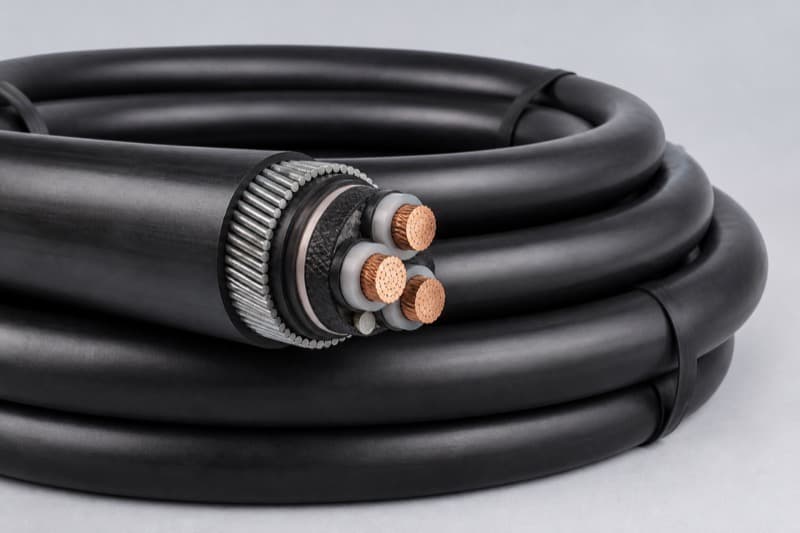
XLPE Armored Cables
XLPE armored cables use cross-linked polyethylene insulation under a steel wire or tape armor layer, built to run underground or in exposed industrial routes. NLS sources single-core and multi-core XLPE armored cable from 0.6/1kV up to 33kV, built to IEC 60502 and BS 5467, and has supplied cable packages into a live Saudi Aramco NGL project.
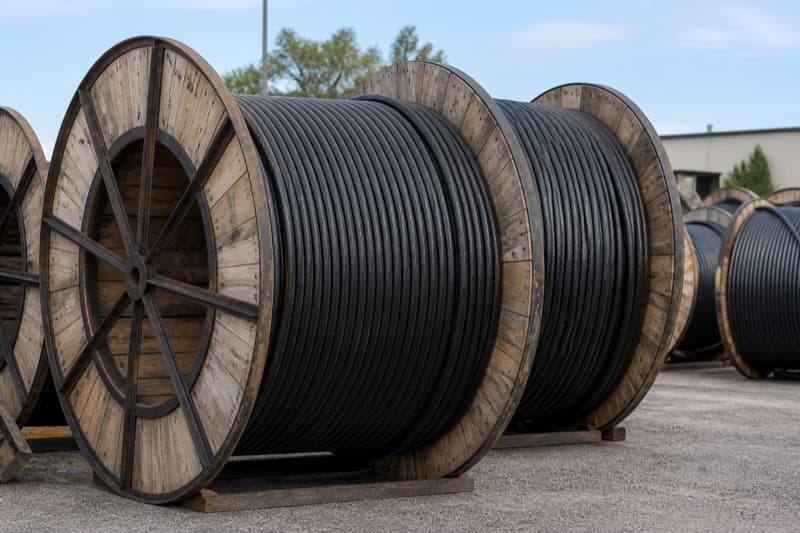
MV Power Cables
Medium voltage power cable covers the 3.3kV to 33kV range used for substation feeders and primary distribution. NLS sources single-core and three-core XLPE MV cable, copper or aluminum conductor, to IEC 60502-2 and BS 6622, matched to the voltage class, conductor size, and screening a project's single-line diagram specifies.
LV Power Cables
Low voltage power cable covers the 0.6/1kV class used for general power distribution, from switchgear to panel boards to motor feeds. NLS sources copper and aluminum conductor LV cable, PVC or XLPE insulated, single-core and multi-core, to IEC 60502-1 and BS 6004, for industrial, hospital and aviation project wiring across Saudi Arabia.
HV Power Cables
High voltage power cable, 66kV and above up to 150kV XLPE-insulated classes, links grid substations and large transmission-scale loads. NLS sources HV cable to IEC 60840 on a project-specific basis, working from the utility or EPC contractor's technical spec since HV cable is always made to order and never a stock item anywhere in the region.