Marine & Shipboard Cables
Marine and shipboard cable is built to IEC 60092 for the corrosive, high-vibration, fire-safety-critical environment of vessels, offshore platforms, and port facilities. NLS sources flame-retardant and fire-resistant marine cable in LV and MV classes, for power, control, and instrumentation circuits on marine, port, and offshore infrastructure projects along Saudi Arabia's Red Sea and Gulf coasts.
Marine and shipboard cable has to survive conditions land-based cable never faces: constant vibration from engines and machinery, salt air corrosion, tight bend radii in cramped cable runs, and a fire-safety standard written for a vessel where evacuation options are limited. The IEC 60092 series covers the construction requirements for exactly this: flame-retardant sheath compounds as standard, with fire-resistant (circuit-integrity) variants available for critical alarm and emergency systems, plus halogen-free options for enclosed spaces where smoke toxicity is a life-safety concern.
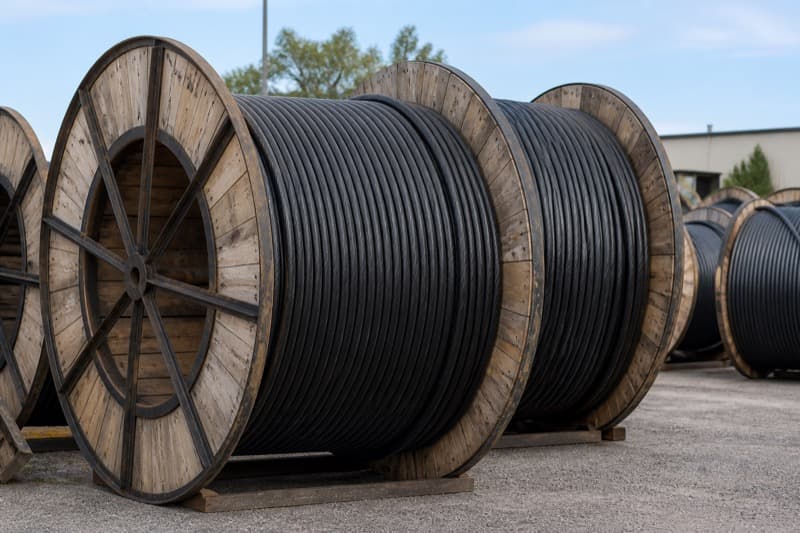
NLS sources marine cable across low voltage and medium voltage classes, single-core and multi-core, copper conductor, built to IEC 60092 parts covering power, control, and instrumentation cable types. Screening and armor options follow the same logic as onshore industrial cable, but the base insulation and sheath compounds are the marine-rated grades, not standard industrial PVC or XLPE.
On Saudi Red Sea and Gulf coast projects, marine cable applies to shipyard and vessel repair work, offshore platform power and control wiring, and port and harbor infrastructure where equipment sits in a similar corrosive, high-vibration environment even without being on a vessel. Fire alarm, emergency lighting, and bilge pump circuits on marine applications typically specify the fire-resistant variant rather than standard flame-retardant construction.
NLS quotes marine cable against the cable schedule or class society specification a project references (Lloyd's Register, DNV, or similar), conductor size, and screening requirement, and returns a priced quote in USD. This is a specified, lower-volume category compared to standard industrial cable, so lead time runs longer and gets confirmed against the exact construction ordered.
Specifications
- ✓Standard referenced: IEC 60092 series (power, control, instrumentation cable)
- ✓Sheath: flame-retardant standard, fire-resistant (circuit-integrity) variant available
- ✓Halogen-free options for enclosed spaces
- ✓Voltage classes: low voltage and medium voltage
- ✓Conductor: stranded copper, single-core and multi-core
- ✓Class society reference: built to specs referencing Lloyd's Register, DNV, or similar
Frequently Asked Questions
What makes marine cable different from standard industrial cable?+
Marine cable is built to IEC 60092 for constant vibration, salt air corrosion, and vessel fire-safety requirements, with flame-retardant sheath as standard and fire-resistant variants for critical circuits, which standard industrial cable isn't tested against.
Where does marine cable get used outside of actual vessels?+
Offshore platforms, shipyards, and port or harbor infrastructure, anywhere equipment sits in a similarly corrosive, high-vibration environment even without being aboard a vessel.
How long does marine cable take to source in Saudi Arabia?+
Longer than standard industrial cable, since it's a specified, lower-volume category. NLS confirms lead time against the exact construction and class society reference once the order is defined.
Who supplies Marine & Shipboard Cables in Saudi Arabia?+
NLS Industries (Northlane Solutions Company) supplies Marine & Shipboard Cables across Saudi Arabia, including Riyadh, Jeddah, Dammam and Jubail. Send your specification and quantities to info@northlanesolution.com for a quotation.